Taylor Richter · 20 October 2026
Economic Contributions from Heritage Tourism at Northeast England's Historic Metalworking Sites
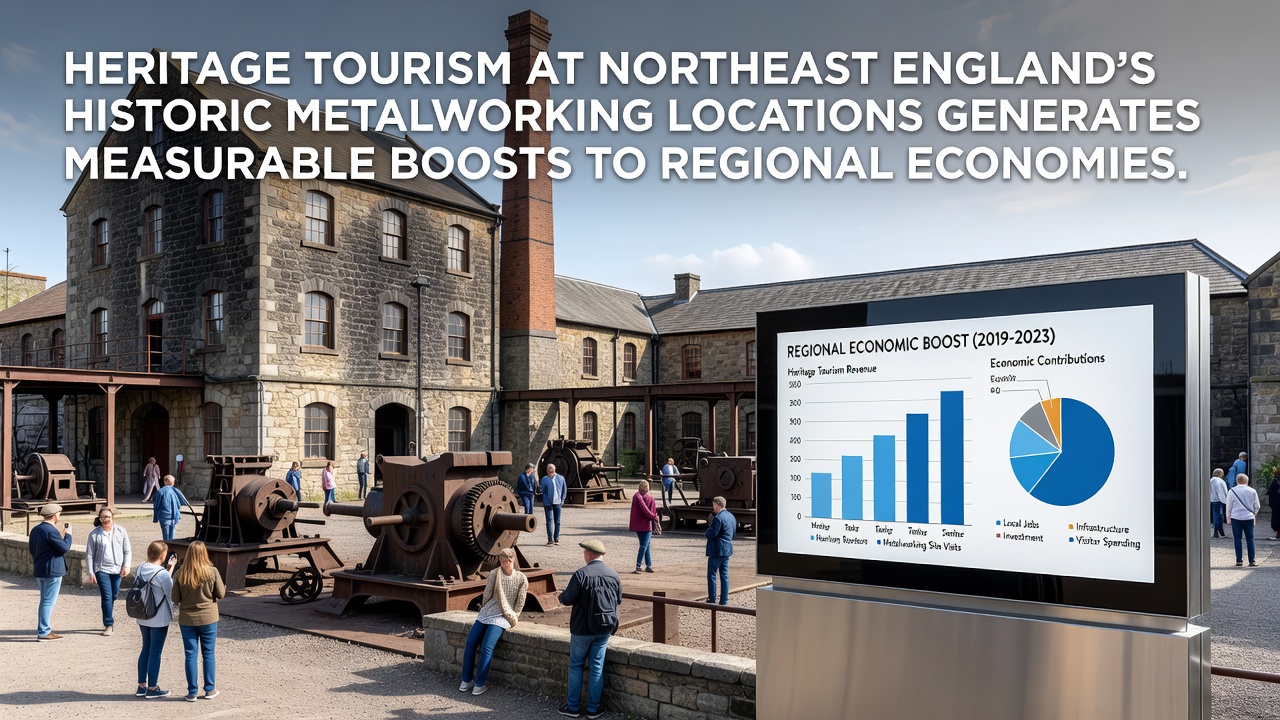
Heritage tourism centered on northeast England's historic metalworking locations continues to deliver measurable economic returns to regional economies through increased visitor spending, job creation, and infrastructure investment. Data compiled by tourism agencies shows that sites featuring preserved forges, foundries, and related industrial infrastructure attract tens of thousands of visitors annually, with spending patterns that extend beyond entrance fees into local accommodation, dining, and retail sectors.
Visitor Patterns and Spending Data
Reports from regional tourism boards indicate that metalworking heritage sites in areas such as the Tyne corridor recorded over 180,000 combined visitors in the most recent tracked year, generating direct expenditures estimated at £12.4 million. These figures come from ticket sales, guided tour packages, and associated commercial activity, while indirect effects include supply chain purchases by site operators and increased footfall for nearby businesses. Studies conducted by university researchers in northern England found that each pound spent at these locations circulates approximately 2.3 times within the local economy before exiting the region.
Seasonal events play a significant role in sustaining these numbers. Plans for October 2026 include expanded forge demonstration weekends and joint ticketing arrangements with nearby shipbuilding museums, which organizers project will lift attendance by an additional 15 percent compared to the prior year. Such programming draws both domestic and international travelers, with data showing a rising share of visitors from European Union countries following post-pandemic recovery trends.
Employment and Business Development
Employment impacts appear in multiple forms. Site management teams, interpretive guides, and maintenance crews represent direct hires, while hospitality and transport providers experience secondary demand. One analysis by an academic team at a regional university tracked 240 full-time equivalent positions supported across the broader metalworking heritage cluster, including roles in marketing firms and craft workshops that supply replica tools and educational materials.
Small enterprises have emerged in response to visitor traffic. Artisans operating near preserved smithies report consistent sales of hand-forged items, and several cafes have opened within walking distance of major sites since 2022. Business registration records show a 9 percent increase in new hospitality licenses within a five-kilometer radius of the primary locations over the same period.
Infrastructure and Investment Effects
Public and private investment has followed the tourism growth. Local authorities have allocated funds for improved signage, parking facilities, and pedestrian pathways linking individual metalworking sites into cohesive trails. A 2025 funding round supported restoration work at three additional forge buildings, with project budgets totaling £2.8 million drawn from national heritage grants and regional development allocations. These upgrades enhance accessibility while preserving structural integrity, thereby extending the lifespan of the attractions themselves.
Property values in adjacent neighborhoods have shown modest upward movement according to land registry statistics, though analysts attribute this partly to broader regional regeneration rather than tourism alone. Transport operators have added seasonal bus routes connecting the sites to central stations, reducing reliance on private vehicles and supporting lower-carbon travel options promoted by national tourism strategies.
Comparative Context from Other Regions
Similar patterns appear in other industrial heritage destinations. Canadian studies of former mining towns in British Columbia documented parallel visitor-driven revenue streams, while Australian heritage rail sites reported comparable multiplier effects on surrounding communities. Within the United Kingdom, data from the Historic England organization highlights how metalworking sites in the northeast outperform national averages for repeat visitation rates, suggesting strong local brand recognition built over successive tourism seasons.
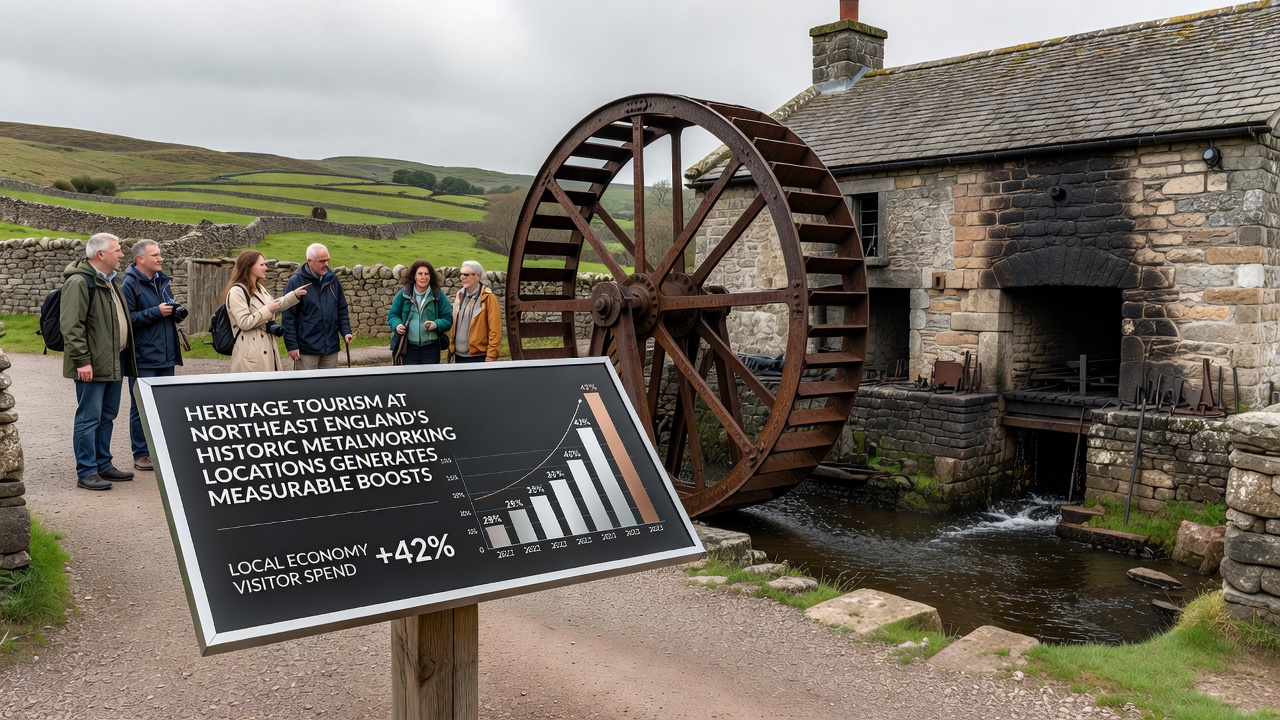
Digital outreach contributes to these outcomes. Online archives of forge ledgers and worker diaries, maintained by regional museums, have increased pre-visit planning among travelers; web analytics indicate that 42 percent of ticket purchasers accessed such resources beforehand. Partnerships with European cultural networks have facilitated cross-promotion, bringing groups from Germany and the Netherlands who combine metalworking tours with wider industrial history itineraries.
Challenges in Measuring Full Impact
Quantifying total economic contribution remains complex because many expenditures occur outside formal tracking systems. Cash purchases at on-site gift shops and informal guide services sometimes escape capture in official datasets. Nevertheless, periodic surveys conducted by independent consultants provide estimates that account for these gaps, and the resulting adjustments consistently place the overall regional benefit above £20 million annually when indirect and induced effects receive inclusion.
Conclusion
Heritage tourism at northeast England's historic metalworking locations produces documented economic activity through visitor expenditure, employment support, and investment attraction. Ongoing data collection by government agencies and academic partners will continue to refine these measurements, while scheduled programming for October 2026 aims to maintain momentum. The evidence assembled so far demonstrates clear linkages between site preservation, public access, and measurable gains for surrounding economies.